Robot Fleet Manager
One panel for the whole fleet, and an NVIDIA Jetson Nano on each robot. New: Alfa, a leader robot with a face, voice commands, a camera that pauses robots near people, and a strategist that only acts as far as you allow it.
QuasiPI Tech is my personal portfolio: the things I design and build from the ground up — fleet software for mobile robots, simulation engines written from scratch, edge-AI hardware small enough to carry, and the printed parts that hold it together. Nothing here is for sale. Every project is labelled with how far along it is — see what is ready and what is not on the projects page.
Measured 5 November 2026 · Epoch Ascendant 0.3.4-alpha.131, AMR Platform, AMR Flow Simulator, Robot Fleet Manager, Terra 0.1.0
One panel for the whole fleet, and an NVIDIA Jetson Nano on each robot. New: Alfa, a leader robot with a face, voice commands, a camera that pauses robots near people, and a strategist that only acts as far as you allow it.
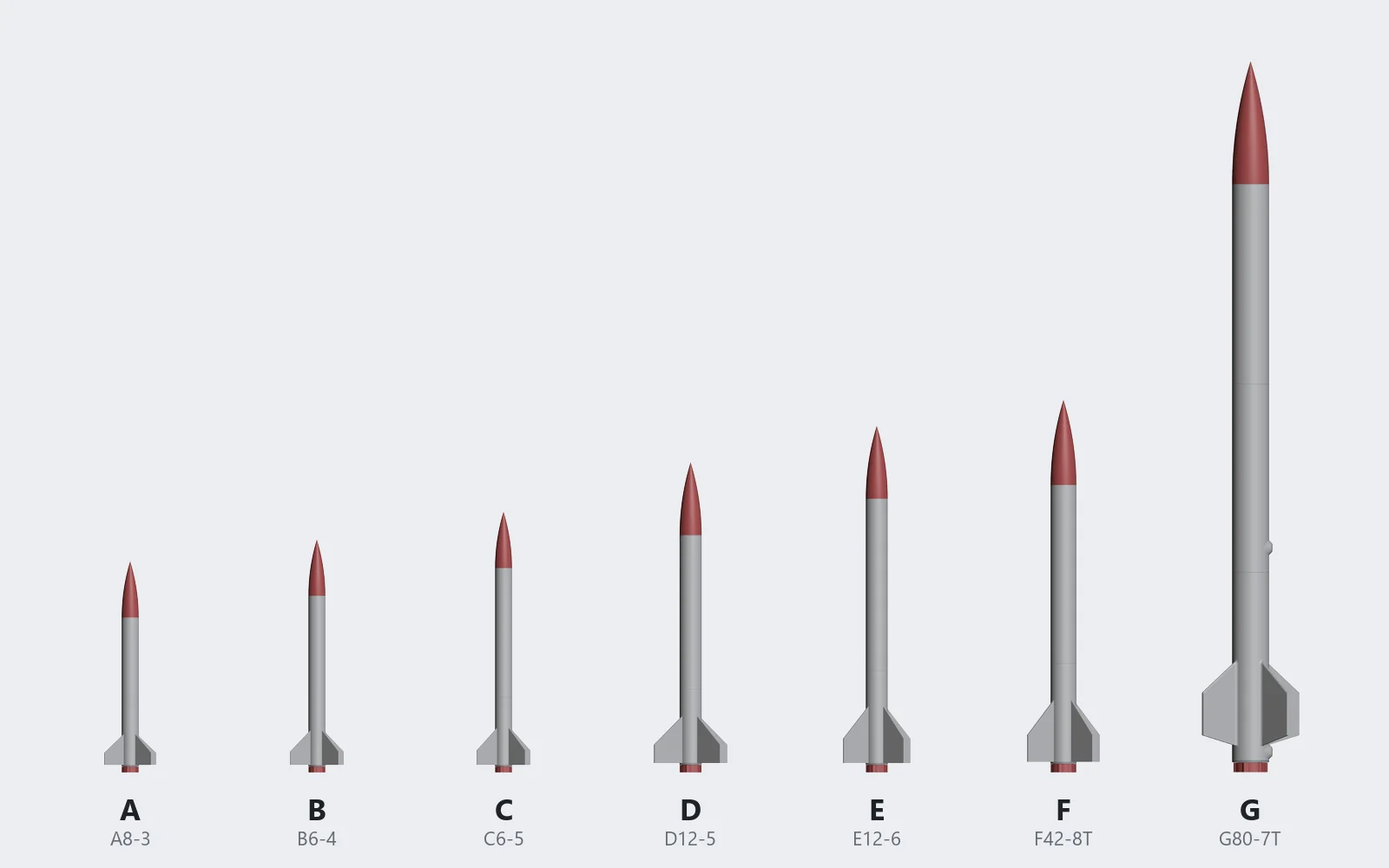
After the failed first flight: the large rocket redesigned, then one parametric script that builds a printable rocket for every motor class from A to G — with a launch stand and controller.
Type an idea and watch a simulated crowd argue about it on a live social graph. New: it now tests itself on nine real referendums — and shows plainly that it loses to a coin-flip guess.
Ideas are not left as sketches. They get modelled, printed, wired, coded and put under load until they either work or teach me why they don’t — and then the result is written up, including the parts that failed.
Simulate a fleet before it is bought, dispatch the one you own, and keep the safety story honest once the machines are out of sight.
Robotics projects →Deterministic worlds built from nothing: a hex globe with ten ages of history, a planet in continuous time, a warehouse with traffic that jams like the real one.
Models that run on the machine in front of you rather than in somebody’s data centre, in an enclosure designed around the job, not around the board.
Rapid iteration on real parts, from the first rough fit to a functional shell that has been fitted, loaded and lived with.
3D printing →Software that keeps running unattended on a box on a shelf: no third-party services, no phone-home, licences and maps that work with the internet unplugged.
A turn-based 4X on a hexagonal globe, with a custom renderer and every model authored in-house.
Epoch Ascendant →Each project gets the full story: what it is, why it was built, how it works and what broke along the way. The figures come from the current build of each one.
A browser simulator that answers “how many robots do we actually need” before one is bought; a single-file controller that drives a real fleet from a Jetson on the shelf; and an outdoor platform with a safety state machine, traffic reservations and a costmap built from OpenStreetMap.
A civilization simulation in continuous time on a real sphere: no turns, no visible hex grid, time that can be paused or run at a year a second. Movement follows great circles over 163,842 cells, and the HUD says out loud what the current time scale simplifies.
A carry-anywhere enclosure around an NVIDIA Jetson module: integrated touchscreen running the full Ubuntu desktop, side-mounted control dials and passive ventilation. The display module lifts clear of the shell for servicing.
The same loop runs on every project, whether it is a game engine, a fleet controller or a machine you can pick up and carry.
Every build begins with something that does not exist yet, or exists badly. The technology is chosen after the problem, never before it.
A rough working version beats a polished plan. Parts get printed, code gets run, and the design is corrected against what actually happens rather than what was drawn.
If a number is quoted, it came from a run that can be repeated with the same seed. Thousands of automated tests exist so that a fix in one place cannot quietly break something in another.
Including the failures. The dead ends are usually the most useful part of a write-up, and the part nobody else publishes.
These are written into the code, not into a slide. They are also the reason a few obvious-looking features are missing from my software on purpose.
unknown != safeSpace a robot has not observed is treated as blocked, not as free floor. A map that has never been checked is data, not permission.
no faked safetyWhere a certified component is required, the code says so instead of standing in for it. A remote stop button is called a remote stop, never a safety function.
the numbers are measuredEvery figure published here comes from a run on my own build, and I can repeat it on request — including the runs that came out worse than I hoped.
assets are authoredModels, animations and audio in the game are made here rather than bought from a marketplace. It is the slower road, and it leaves the result entirely mine.
Curious how something here was built, spotted a mistake, or working on something similar and want to compare notes — write to me. I read every message myself.